
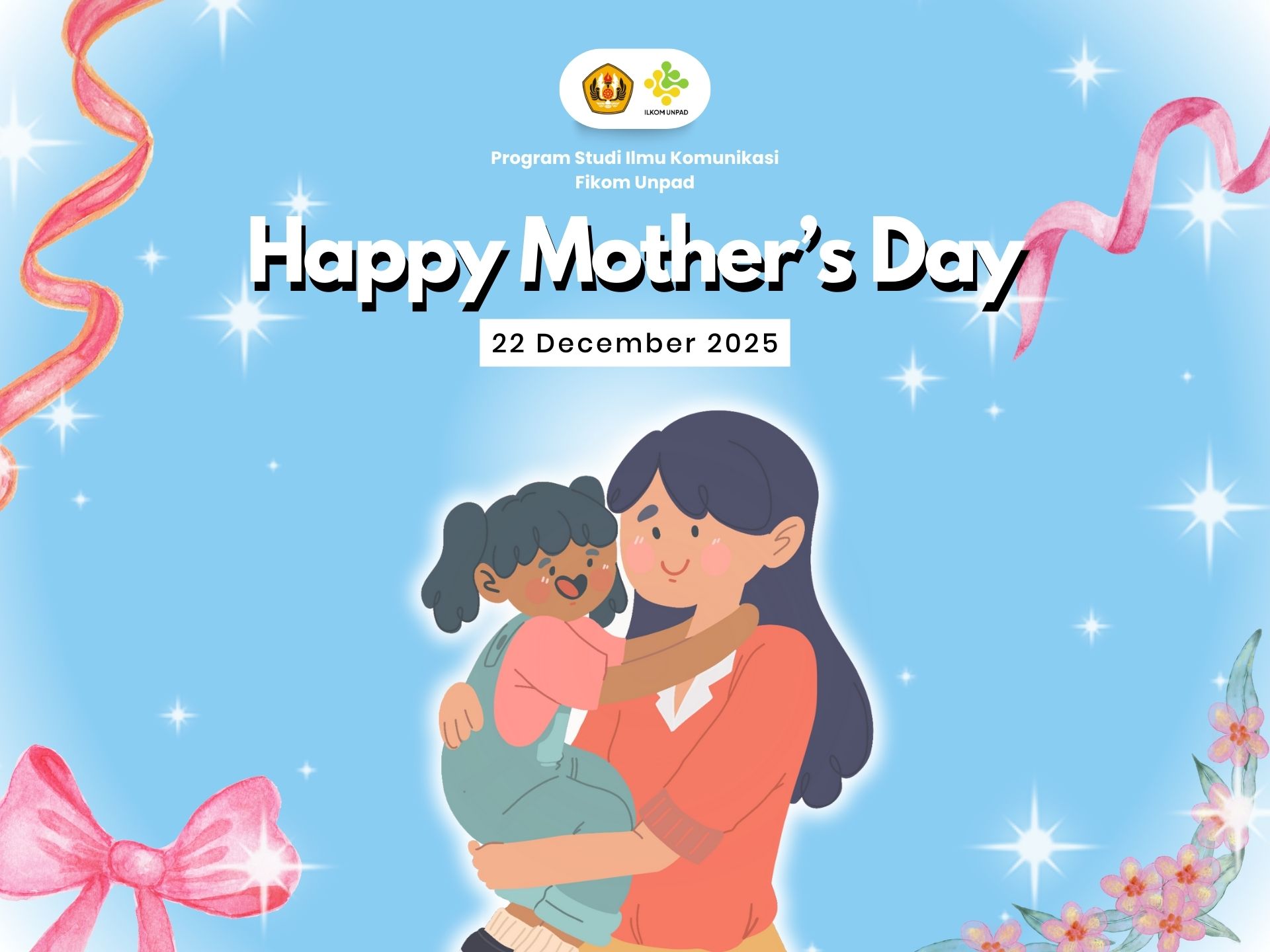
Every year on 22 December, Indonesia commemorates Mother’s Day as a moment to express appreciation for a mother’s struggles and sacrifices. On this day, expressions of love for mothers often fill social media, whether in the form of short messages, shared photos, or symbolic gifts such as flowers and chocolates. This celebration also serves as a reminder of the immense dedication mothers contribute to family life and society.
Interestingly, Mother’s Day in Indonesia is observed on a different date from similar celebrations in many other countries. In the United States and several European countries, for example, Mother’s Day is celebrated on the second Sunday of May. Meanwhile, a number of countries in the Middle East observe it on 21 March. Thailand celebrates it on 12 August, while Russia marks it on 26 November. These differences are essentially rooted in the distinct historical backgrounds and social contexts of each country. This is also true for Indonesia, which designates 22 December as Mother’s Day.
The selection of this date is closely linked to a historic event, namely the First Indonesian Women’s Congress, held in Yogyakarta from 22 to 25 December 1928. The congress served as a forum where women from various organizations gathered to voice their ideas, concerns, and struggles against social conditions that were not yet favorable to women. The congress was initiated by three figures from women’s organizations: R.A. Soekonto from Wanita Utomo, Nyi Hajar Dewantara from Wanita Taman Siswa, and Soeyatin from Putri Indonesia.
During the congress, approximately thirty women’s organizations discussed two main issues: education and marriage. Participants highlighted an education system that still placed women in a limited position and emphasized that women have the right to the same educational opportunities as men. In addition, the practice of early marriage became a major concern, as it was considered to have negative impacts on women, affecting their health, psychological well-being, and opportunities for independent personal development.
The spirit that emerged from the First Indonesian Women’s Congress later gave rise to a federation known as the Perserikatan Perempuan Indonesia (PPI). This struggle eventually received state recognition when Soekarno officially designated 22 December as National Mother’s Day through Presidential Decree of the Republic of Indonesia Number 316 of 1959.
Thus, Mother’s Day in Indonesia is not merely understood as a symbolic celebration, but also as a reminder of the long history of women’s struggle. This commemoration reflects the values of courage, care, and the role of women in bringing about social change. Furthermore, the First Indonesian Women’s Congress demonstrates that advocacy and communication processes possess great power in driving tangible structural change. Through this momentum, the Communication Studies Program extends its highest appreciation to all Indonesian women who carry out the role of mothers. Your name remains honored, forever, Mother.
References:
https://www.tempo.co/politik/kongres-perempuan-indonesia-1928-jadi-penetapan-hari-ibu-nasional-begini-isi-kongresnya–105915
https://www.detik.com/jogja/berita/d-8270226/kenapa-hari-ibu-jatuh-tanggal-22-desember-ini-sejarah-makna-dan-tokohnya