
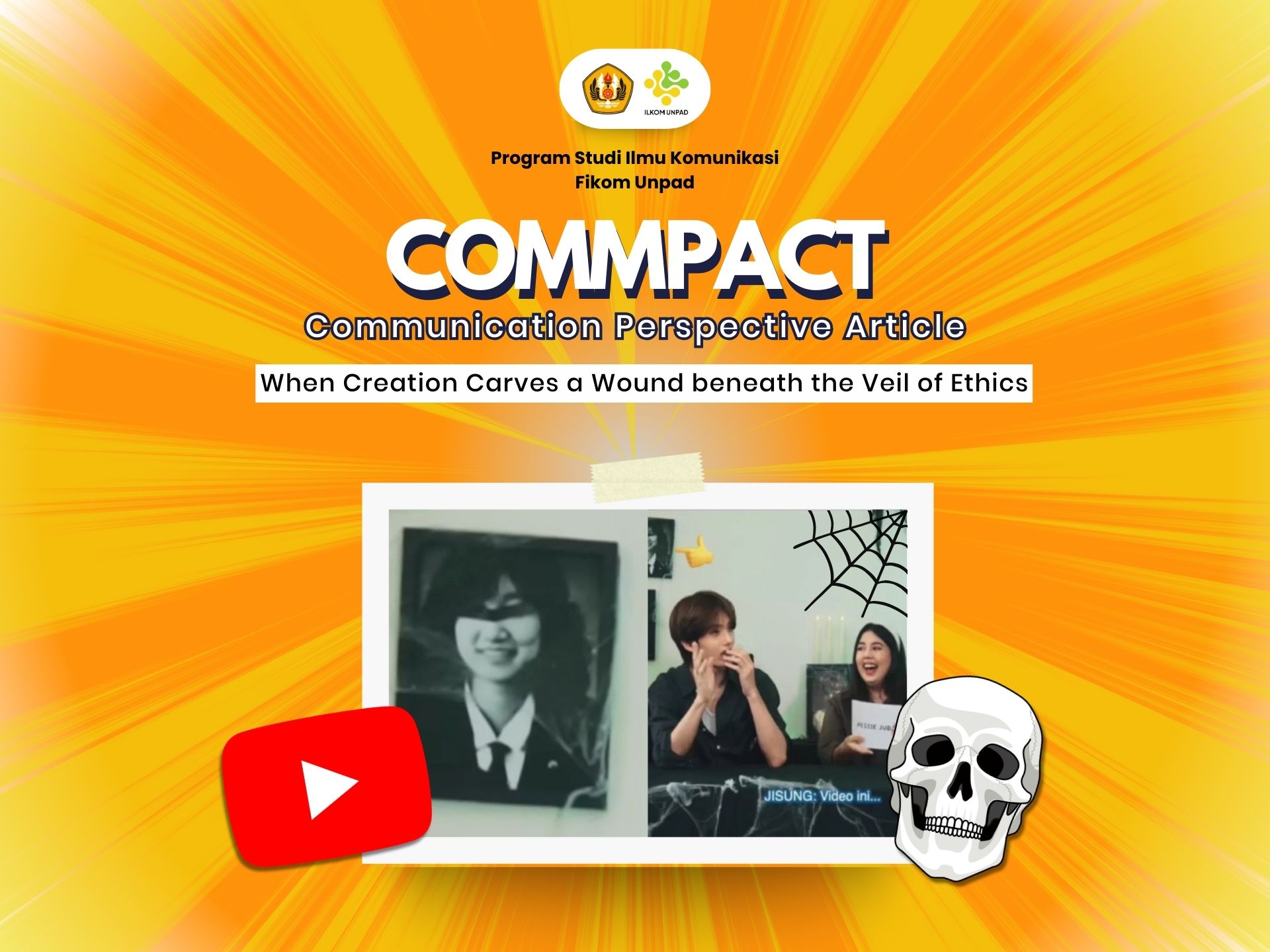
One of Indonesia’s most prominent YouTube creators, Nessie Judge, recently became the center of public attention after releasing a collaboration video with the South Korean boy group NCT Dream. Unfortunately, the attention did not stem from praise. In the Halloween-themed video, a photo of Junko Furuta, a victim of a brutal murder in Japan in 1988, appeared as part of the background decoration. The use of the photo quickly drew widespread criticism from Indonesian, Korean, and Japanese netizens, who deemed it highly inappropriate and disrespectful toward the victim’s memory. Many also questioned Nessie’s ethical awareness and empathy regarding such a sensitive issue of violence and humanity.
In response to the wave of criticism, Nessie promptly took down the video and issued a public apology through her social media accounts. She explained that the incident occurred due to an oversight by the production team in selecting the decorations. Nessie also reaffirmed her commitment to conducting a thorough evaluation to prevent similar mistakes in the future. Nevertheless, public opinion remained divided. Some regarded her response as a sign of moral accountability, while others saw the incident as a reflection of a deeper lack of sensitivity toward human dignity, something that public figures are expected to uphold.

From the perspective of digital communication ethics, this case serves as a reminder that every act of public communication inherently carries moral and social responsibility. A content creator is not only expected to be creative but also to uphold values of humanity, transparency, and cultural sensitivity. Throughout the creative process, it is essential to carefully consider each visual or symbolic element to ensure that the message remains ethical, respectful, and does not offend cultural or moral values.
Moreover, this incident can also be understood through the lens of intercultural communication. In the digital sphere, values such as empathy, dialogue, and respect for differences are crucial for building cross-cultural understanding. The use of cultural symbols or imagery without deep contextual knowledge risks leading to misunderstanding, and even cultural harm. In Nessie Judge’s case, the inclusion of a victim’s photograph as a Halloween decoration highlights how easily the line between creativity and insensitivity can blur when respect for humanity is neglected.
Linked to the 16th Sustainable Development Goal (SDGs): Peace, Justice, and Strong Institutions, this incident underscores the importance of upholding peace, justice, and human rights within digital spaces. A lack of sensitivity toward victims of violence not only reopens collective wounds but also hinders the creation of an empathetic and just digital environment. By embracing communication ethics and cultural awareness, creators can contribute to a digital culture that is not only visually engaging but also rich in humanity and moral consciousness.
Communication Perspective Article Vol #7